The 4 Most Common Gases Monitored In Industry — And Why They Matter
In industrial environments, invisible risks are often the most lethal. Hazardous gases frequently go undetected until it is too late, making gas detection more than a compliance box—it is a life-saving necessity.
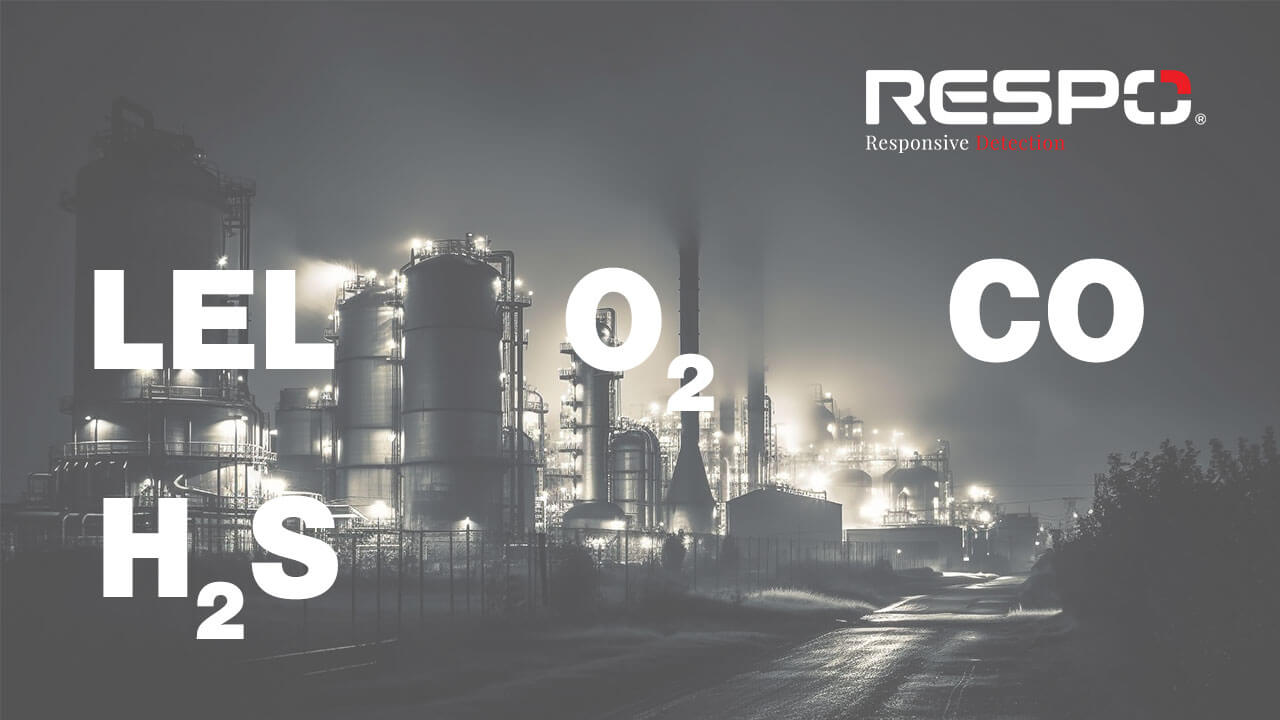
Across industries—from oil and gas to manufacturing—four specific gases consistently stand out as the most critical to monitor. Understanding these is the first step toward building a safer workplace.
1. Oxygen (O₂): The Breath of Life (and Risk)
Oxygen isn’t just essential for life; it is the primary indicator of atmospheric safety.
-
Normal Levels: ~20.9%
-
Risk Thresholds: Below 19.5% (Deficiency) or Above 23.5% (Enrichment)
Why it Matters
Low oxygen levels can lead to dizziness, unconsciousness, or death within minutes. Conversely, oxygen-enriched environments dramatically accelerate combustion, making even flame-resistant materials highly flammable.
Critical Areas: Confined spaces, storage tanks, underground mines, and chemical plants.
2. Carbon Monoxide (CO): The "Silent Killer"
Carbon monoxide is a colorless, odorless, and tasteless gas produced by the incomplete combustion of organic materials.
-
Primary Danger: Highly toxic even at low concentrations.
-
Exposure Effects: Headaches, confusion, loss of consciousness, and fatal poisoning.
Why it Matters
Because humans cannot sense CO, exposure often goes unnoticed until symptoms become severe. CO binds to hemoglobin with much higher affinity than oxygen, effectively starving the body’s organs of the air they need.
Critical Areas: Boiler rooms, parking garages, steel plants, and areas with fuel-burning equipment.
3. Hydrogen Sulfide (H₂S): Deadly in Seconds
Known for its "rotten egg" smell at low levels, hydrogen sulfide is a deceptive and fast-acting toxin.
-
Primary Danger: Highly toxic and corrosive.
-
Critical Risk: At high concentrations, it paralyzes the sense of smell, removing the only natural warning sign.
Why it Matters
H₂S can cause rapid unconsciousness and respiratory failure. Workers may enter a "false sense of security" as the smell disappears, unaware that the concentration has reached lethal levels.
Critical Areas: Oil and gas operations, wastewater treatment plants, sewers, and refineries.
4. Combustible Gases (LEL): The Explosion Hazard
This category includes gases such as methane, propane, and hydrogen.
-
Measured As: Percentage of Lower Explosive Limit (LEL).
-
Danger Zone: Typically alarms are set at 10% LEL to provide a safety buffer.
Why it Matters
When combustible gases accumulate and meet an ignition source, the result is often a catastrophic explosion. Monitoring LEL levels allows for evacuation before the atmosphere becomes volatile.
Critical Areas: Oil rigs, chemical processing, mining, and fuel storage facilities.
Why Monitoring is Non-Negotiable
These four gases form the "Standard 4-Gas" detection strategy because they address the most immediate atmospheric threats:
-
Life-threatening toxicity (CO, H₂S)
-
Oxygen imbalance risks (O₂)
-
Explosion potential (LEL gases)
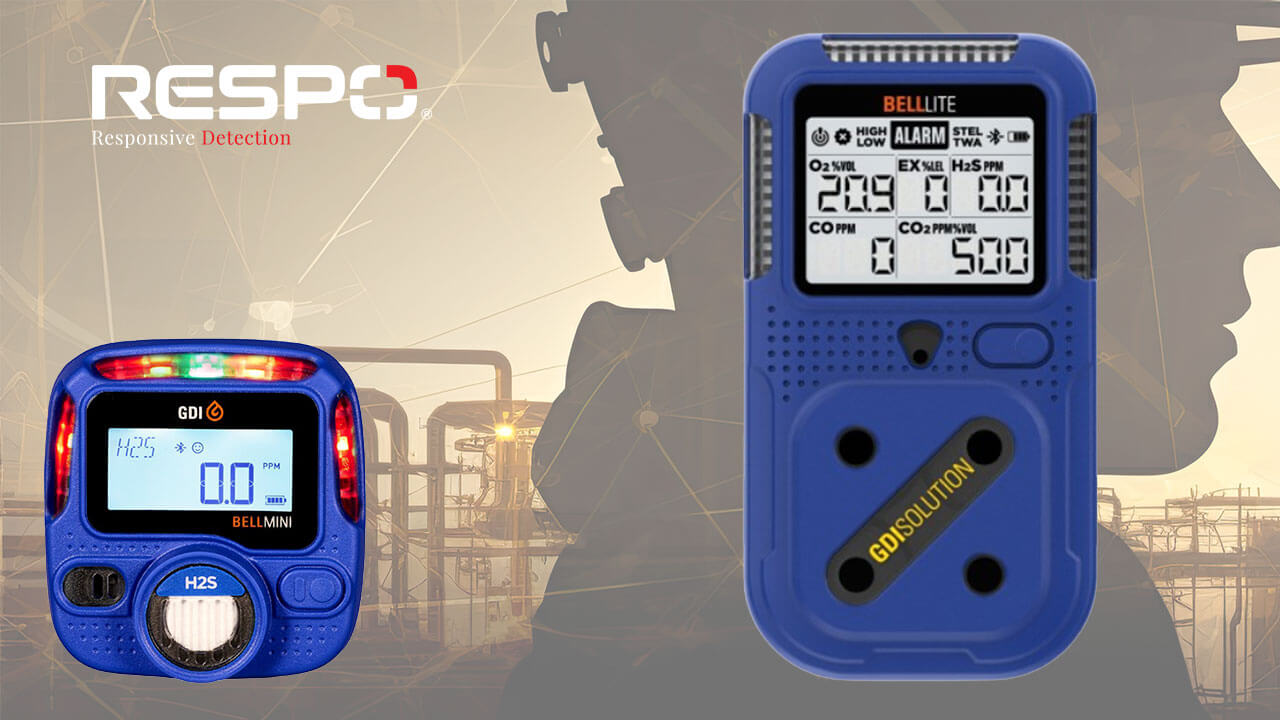
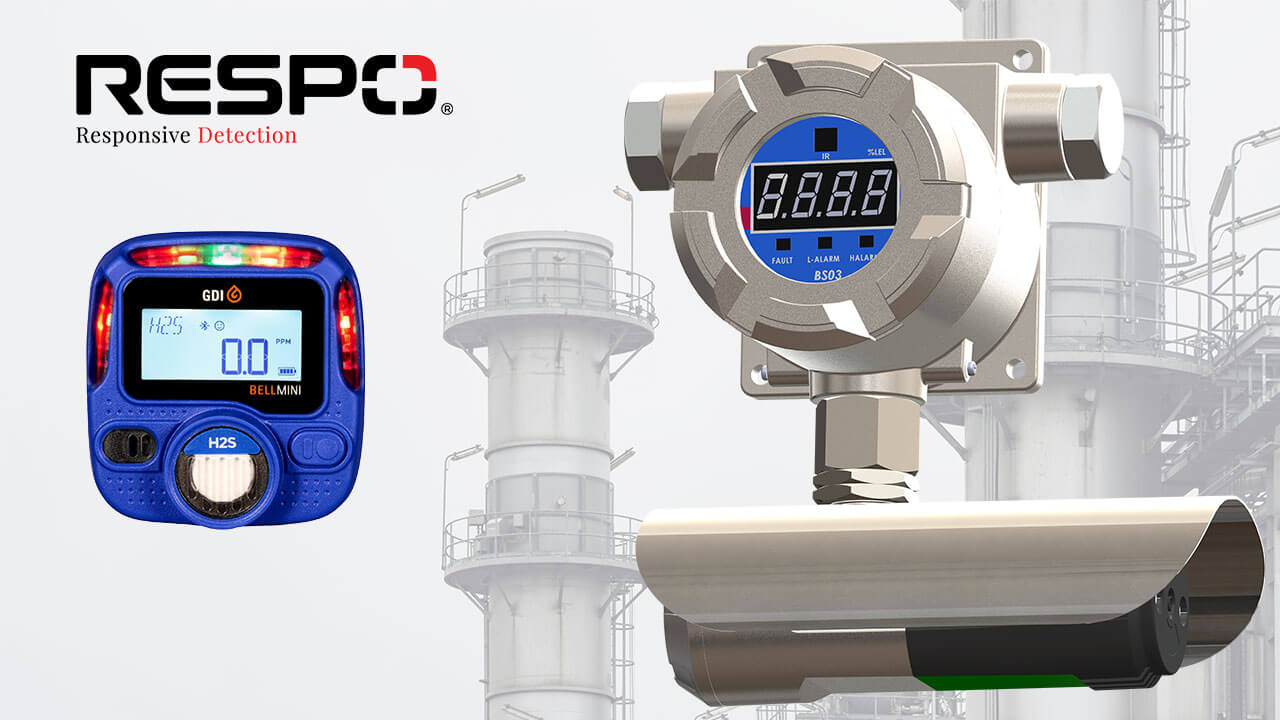
Final Thought: Gas hazards don’t announce themselves and they rarely give second chances. Continuous monitoring via portable and fixed detectors is the only way to ensure what you can’t see won’t kill you.